From bayou town to global metropolis
As the route unfolds, Houston’s history appears as a living timeline of ambition, reinvention, and community.
Table of Contents
From Buffalo Bayou beginnings to modern Houston
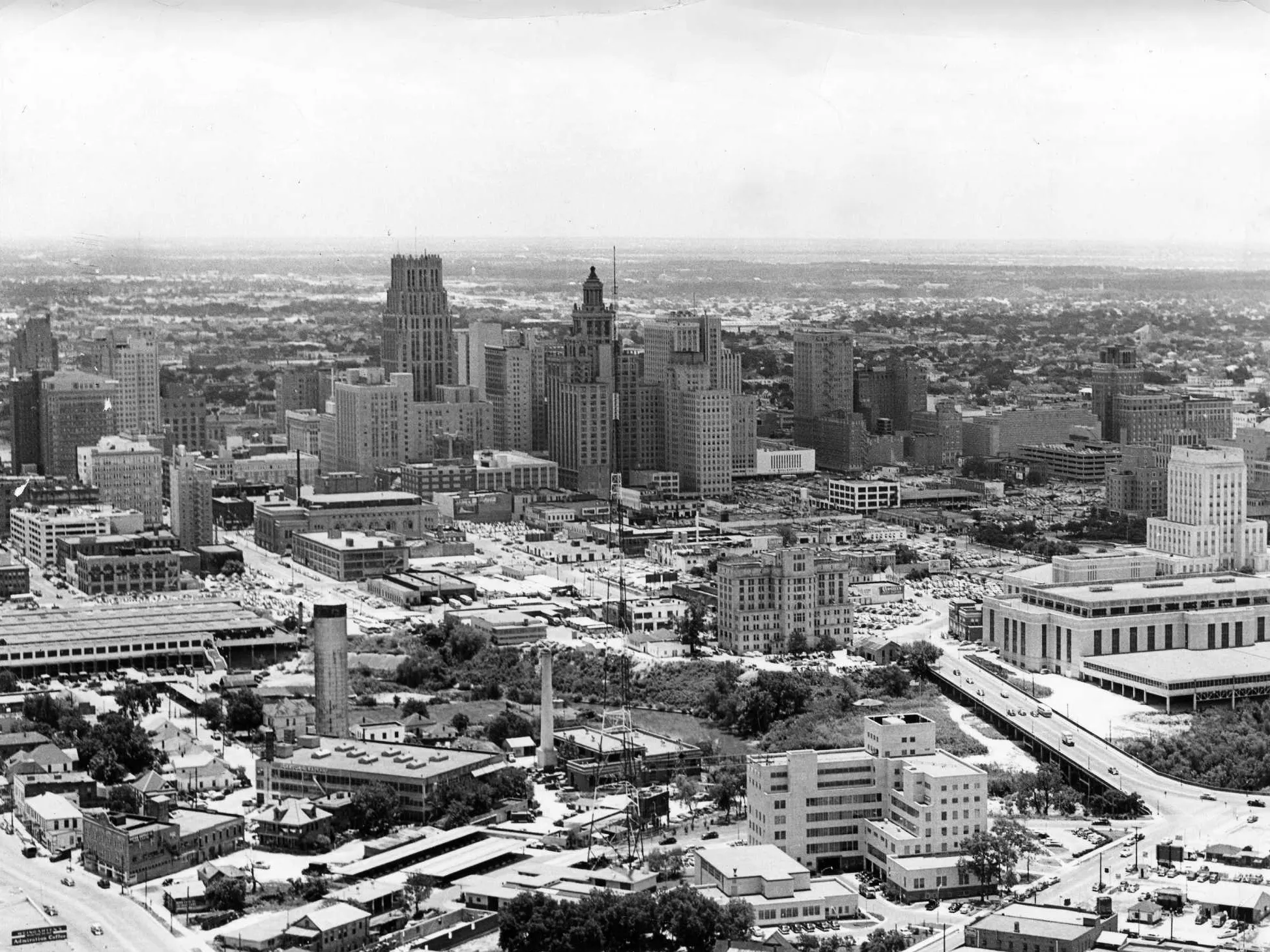
Long before Houston became known for skyscrapers, medical breakthroughs, and mission control, this was a muddy, strategic landscape shaped by water, trade routes, and stubborn determination. In 1836, shortly after Texas won independence from Mexico, the Allen brothers promoted a new town near Buffalo Bayou with bold promises of commercial success. The early settlement was rough around the edges, frequently flooded, and still finding its identity, yet its location offered access to inland networks and Gulf trade. That advantage mattered. Through difficult decades of disease outbreaks, transportation challenges, and political shifts, the city learned to adapt rather than retreat. The story of Houston begins not as a polished metropolis, but as an ambitious gamble that kept expanding each time circumstances changed.
As your hop-on hop-off route moves through central districts, you are crossing layers of this long transformation. Streets that now carry office workers, students, and visitors were once corridors of wagons, rail links, and industrial supply chains. Houston’s rise is not the tale of one dramatic moment; it is a sequence of reinventions: from bayou outpost to railroad junction, from shipping gateway to energy capital, and from regional city to international crossroads. Even today, that adaptive spirit defines local culture. People arrive from around the world, industries evolve, neighborhoods reshape themselves, and the city keeps absorbing change. Seen from the top deck of a sightseeing bus, Houston’s history feels less like a museum chapter and more like an ongoing conversation between past ambition and future possibility.
Downtown foundations and civic growth
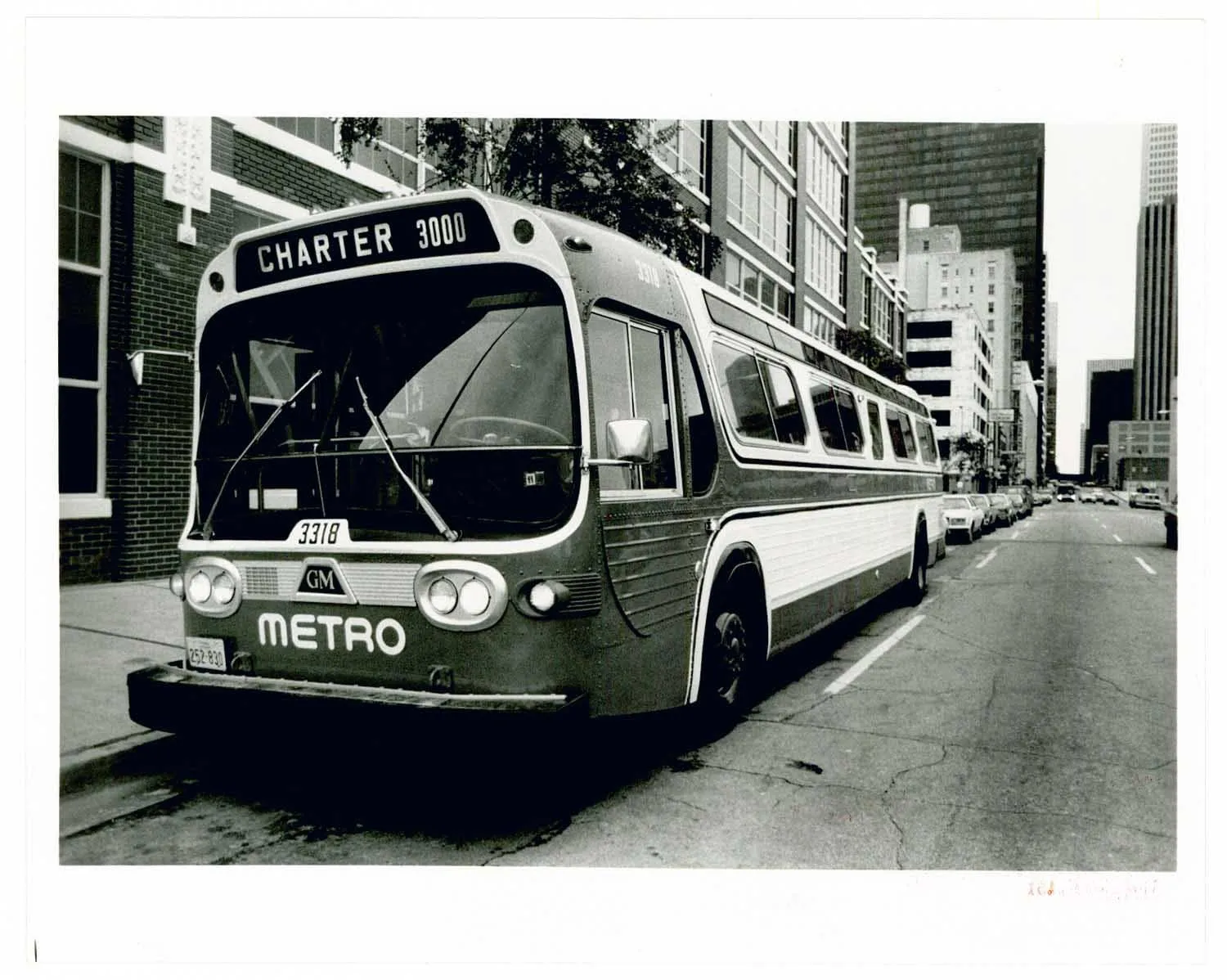
Downtown Houston tells a visual story of civic ambition. Early commercial blocks gave way to taller business buildings as finance, law, and energy interests expanded, and over time the district matured into a dense network of offices, theaters, event spaces, and public squares. You can see this layered identity in the mix of preserved facades, modern towers, and streets designed for both weekday workers and weekend visitors.
From your bus seat, each block reveals a different phase of urban design: older masonry structures, postwar modern lines, and newer mixed-use projects created to keep downtown active beyond office hours. Hop off for a short walk and you will notice how public art, shaded plazas, and food halls now complement historic civic institutions, giving downtown Houston both business intensity and everyday livability.
Rail, shipping, and the making of a trade city
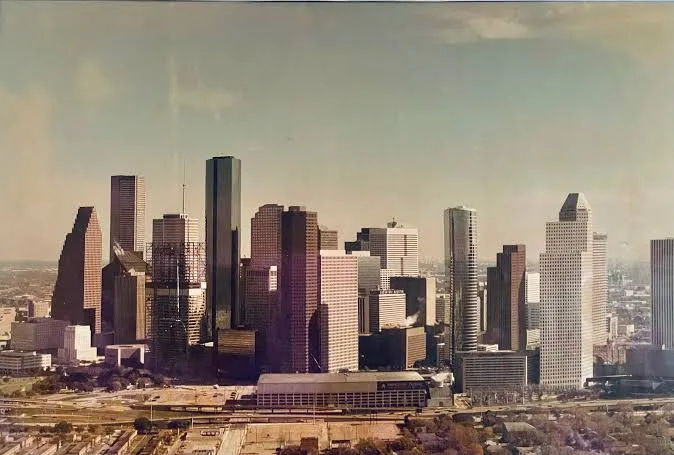
Houston’s growth was accelerated by transport infrastructure. Rail links expanded market access, while shipping investments strengthened the city’s position in domestic and international trade. Over decades, logistics became part of Houston’s DNA: moving goods efficiently, attracting labor, and connecting regional production to global demand.
Even if your sightseeing route does not pass every industrial corridor directly, the city economy you observe today was shaped by these systems. Hotels, convention activity, warehousing, and service businesses all grew in relation to transport networks that made Houston more than a local center. It became a city built to connect.
Oil, energy, and the skyline era
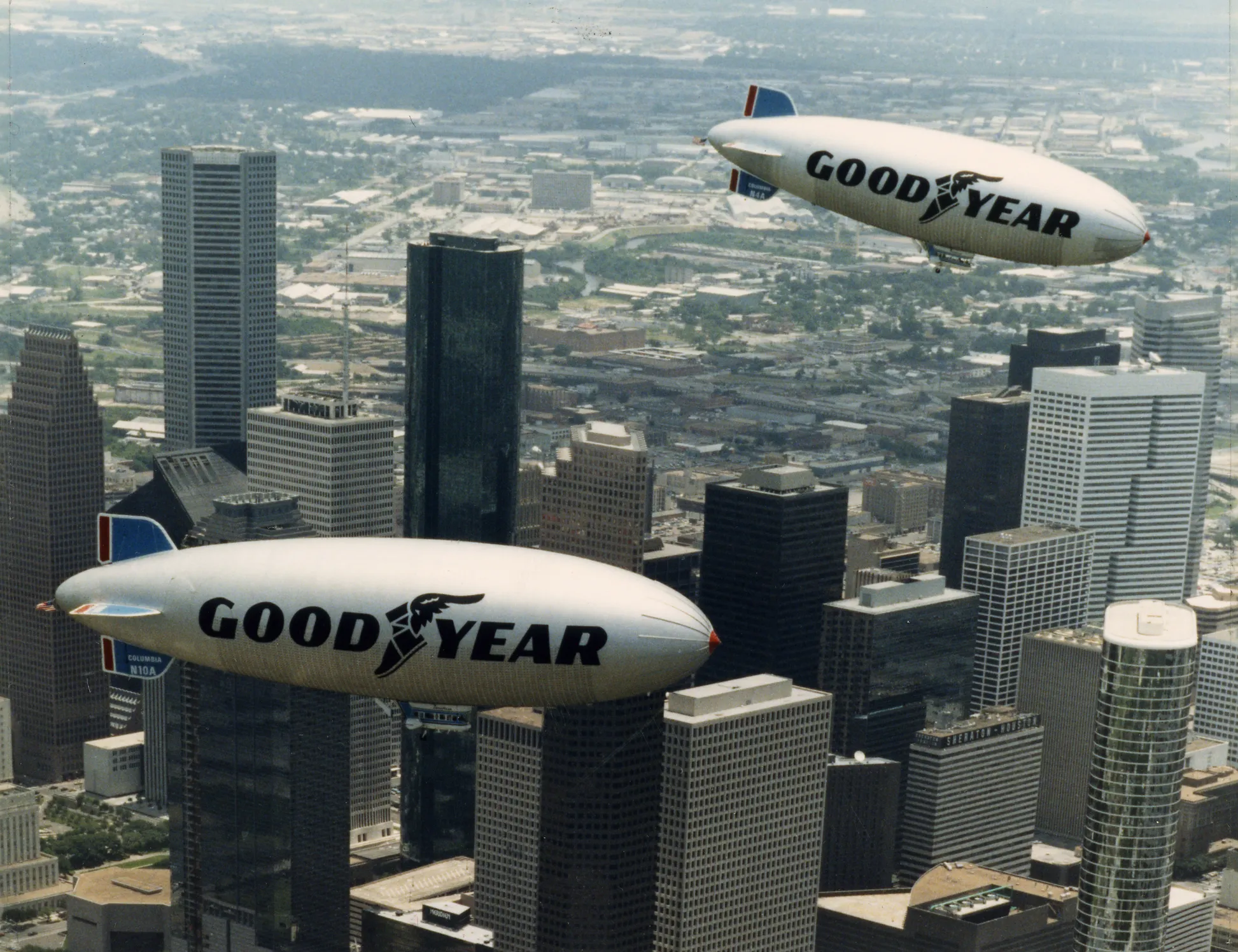
The 20th century energy boom changed Houston at extraordinary speed. Capital inflows, engineering demand, and corporate expansion fueled new headquarters, larger infrastructure projects, and a skyline that became a symbol of economic power. Energy companies helped define not only employment patterns but also the city’s international profile.
Yet Houston’s energy story is broader than oil alone. Over time, the city developed capabilities in petrochemicals, pipeline operations, logistics, and, more recently, transitions linked to efficiency and alternative technologies. Riding through the business core today, you can still sense that era’s imprint in the scale, confidence, and global orientation of the urban landscape.
Medicine, research, and global talent
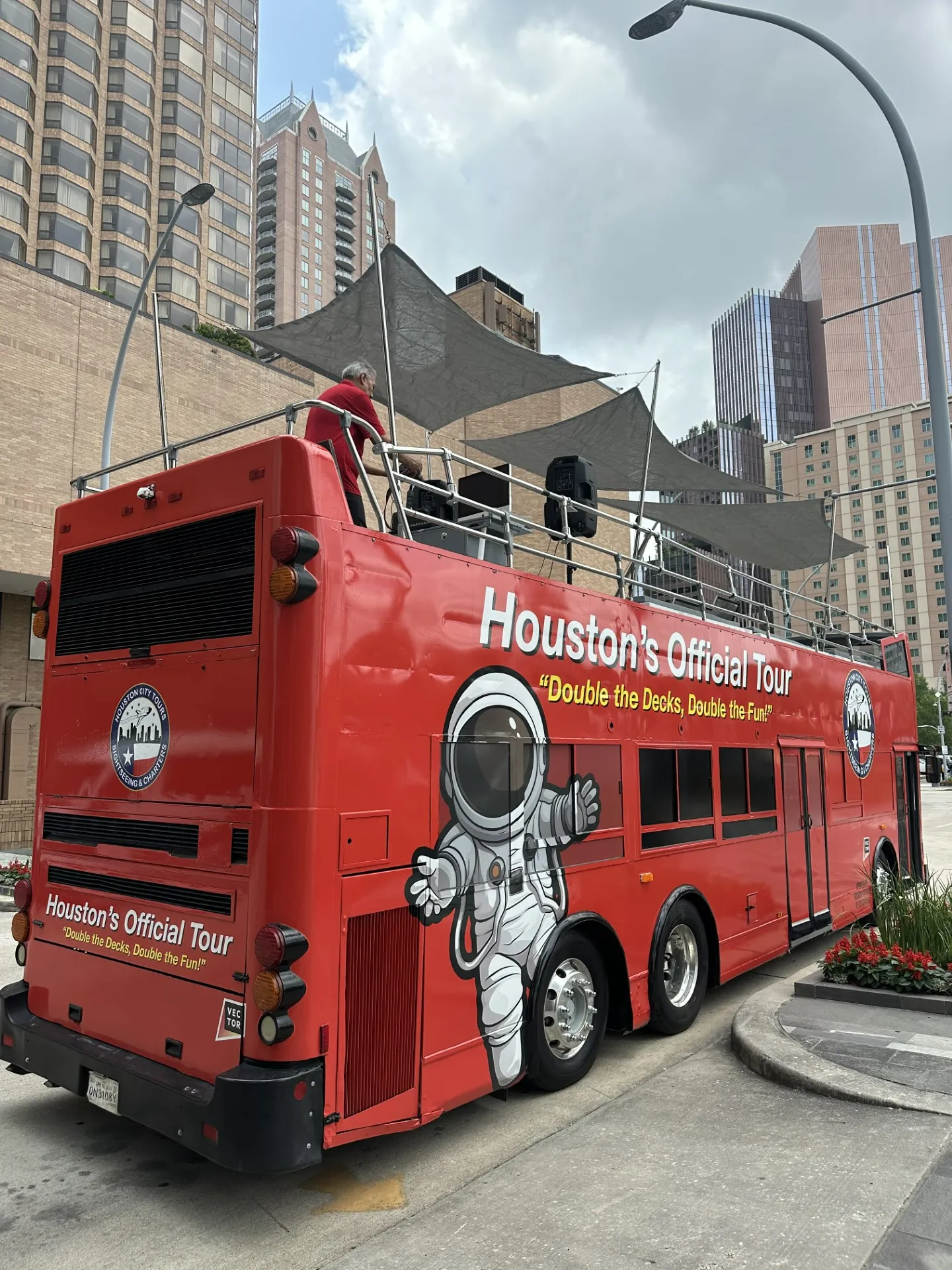
Houston’s medical and research ecosystem is one of its defining achievements. Institutions in and around the Texas Medical Center area drew specialists, researchers, and students from across the world, turning healthcare and life sciences into a cornerstone of the city’s identity. This concentration of expertise has shaped neighborhoods, housing, transit demand, and daily rhythms.
For visitors, this may appear simply as a district of large campuses and steady movement, but behind that scene is a deep story of innovation, collaboration, and global exchange. The same city known for business towers also became a place where cutting-edge care, scientific training, and cross-border talent meet on a daily basis.
Museum District and cultural identity
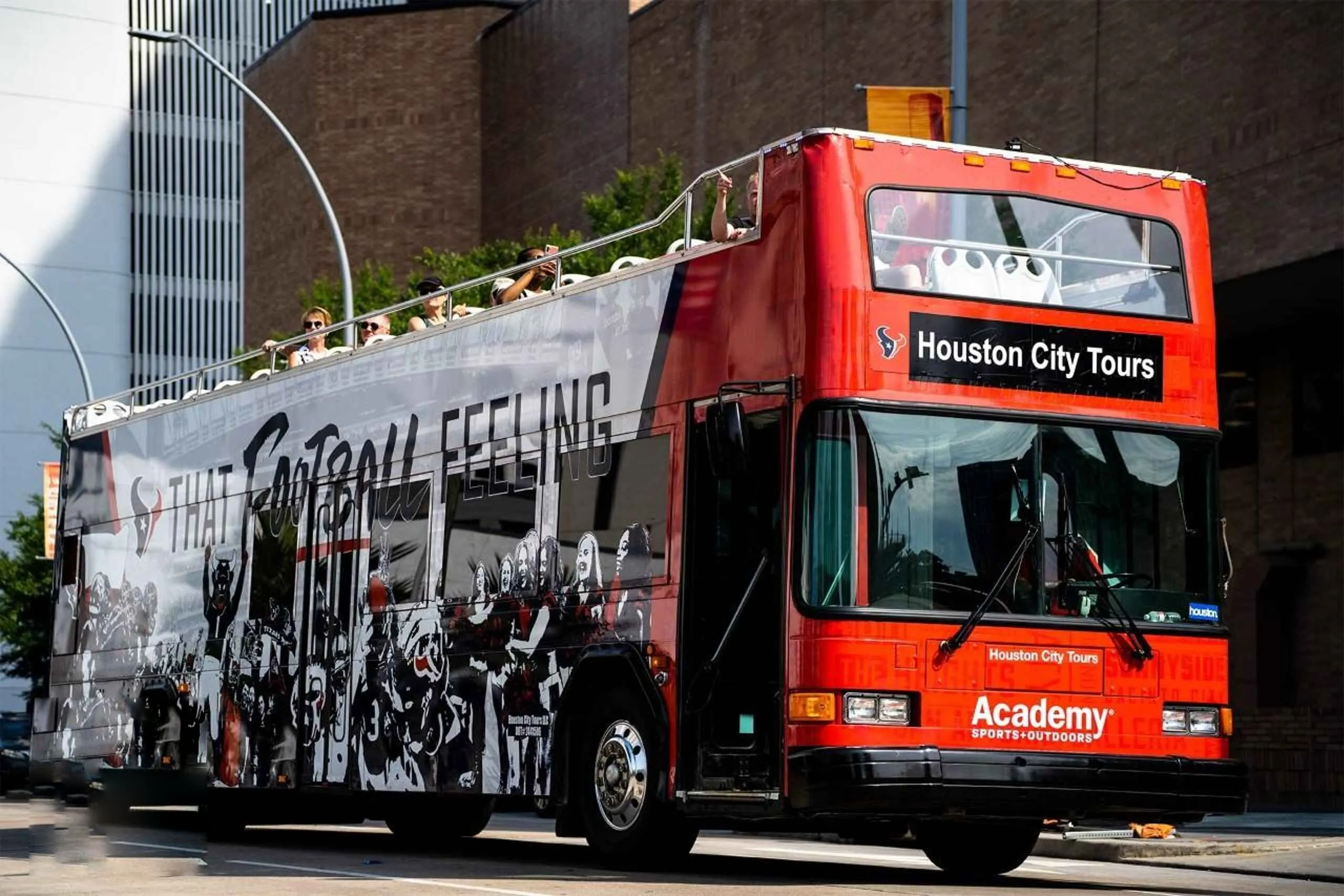
Houston’s Museum District reflects the city’s cultural confidence. What began as a concentration of key institutions expanded into a broader landscape of art, science, natural history, and public programming that serves both residents and international guests. The district demonstrates that Houston’s identity is not only commercial; it is also deeply curious and educational.
As you hop off in this area, you may notice how accessible culture feels here: families with strollers, students sketching outdoors, and travelers moving between exhibitions and park paths in the same afternoon. It is a part of Houston where learning, leisure, and civic pride blend naturally.
Neighborhood diversity and local food stories
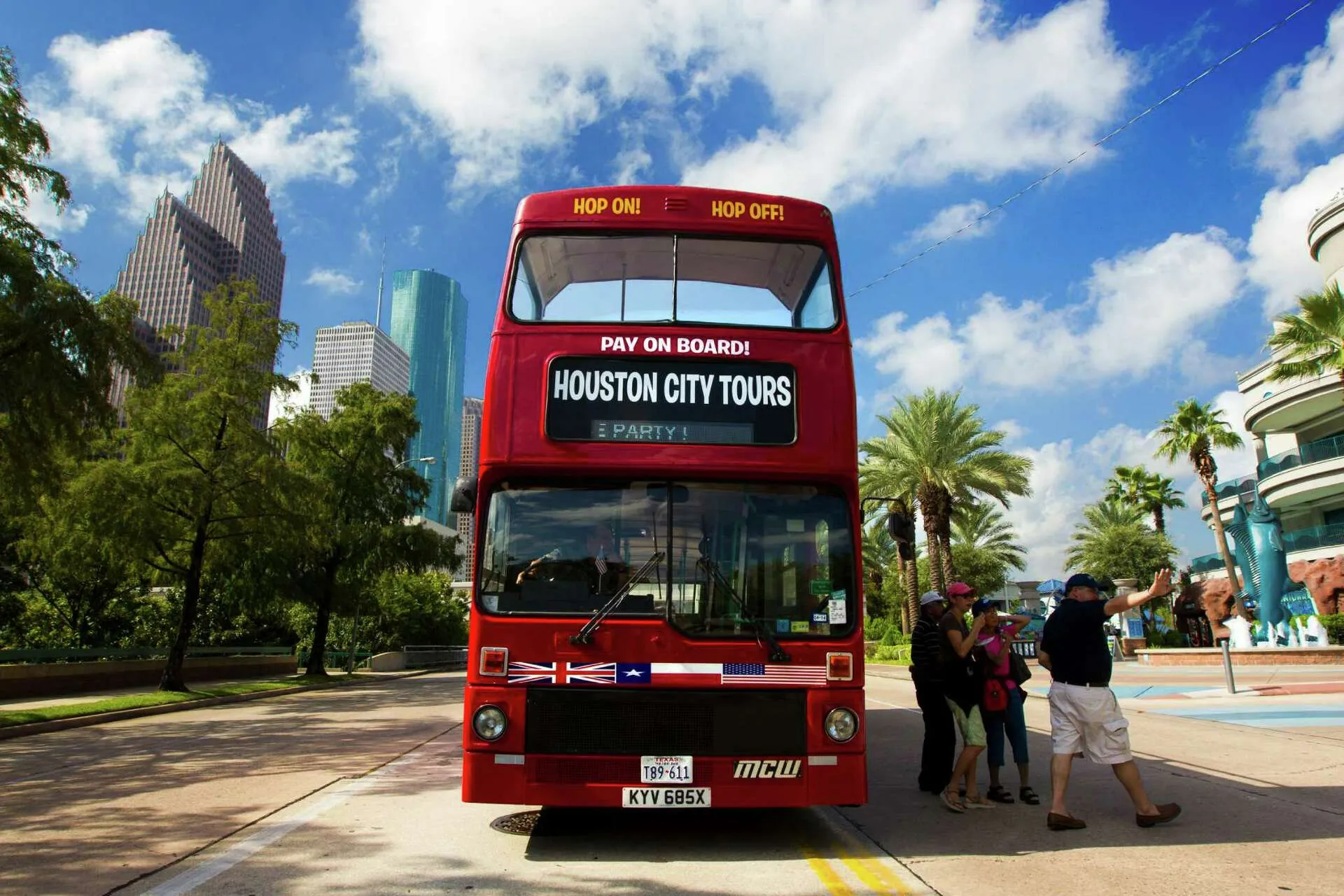
One of Houston’s defining strengths is neighborhood diversity. Communities shaped by generations of migration have built distinct local identities through language, faith spaces, family-run businesses, and especially food. Across the city, culinary traditions from Latin America, Asia, the Middle East, Africa, and beyond coexist and evolve side by side.
That is why a Houston sightseeing day often becomes a food journey too. A bus route may introduce the major landmarks, but the flavor of the city appears in bakeries, taquerias, barbecue counters, fusion kitchens, and late-night spots where locals gather. These everyday places are part of Houston’s social history as much as any monument.
Parks, bayous, and urban resilience
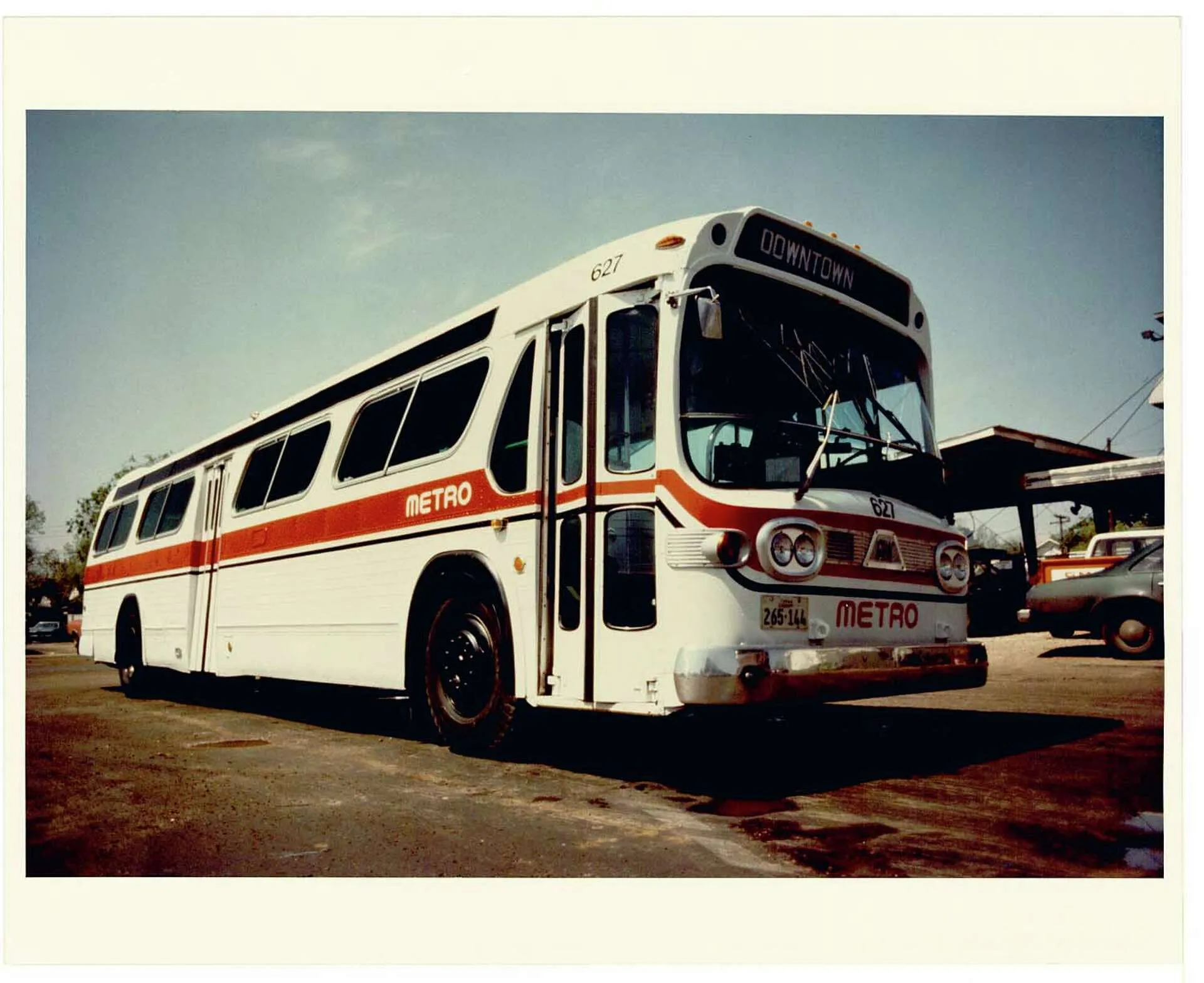
Houston’s relationship with water has always demanded resilience. Bayous shape movement, landscape design, and flood management strategies, and major weather events have repeatedly tested infrastructure and communities. In response, the city has continued to invest in drainage upgrades, park systems, and adaptation planning.
When your route passes green corridors and revitalized public spaces, you are seeing this resilience made visible. These are not just scenic extras; they are part of how Houston balances growth with environmental reality, creating recreational value while improving long-term urban function.
Festivals, culture & city rituals
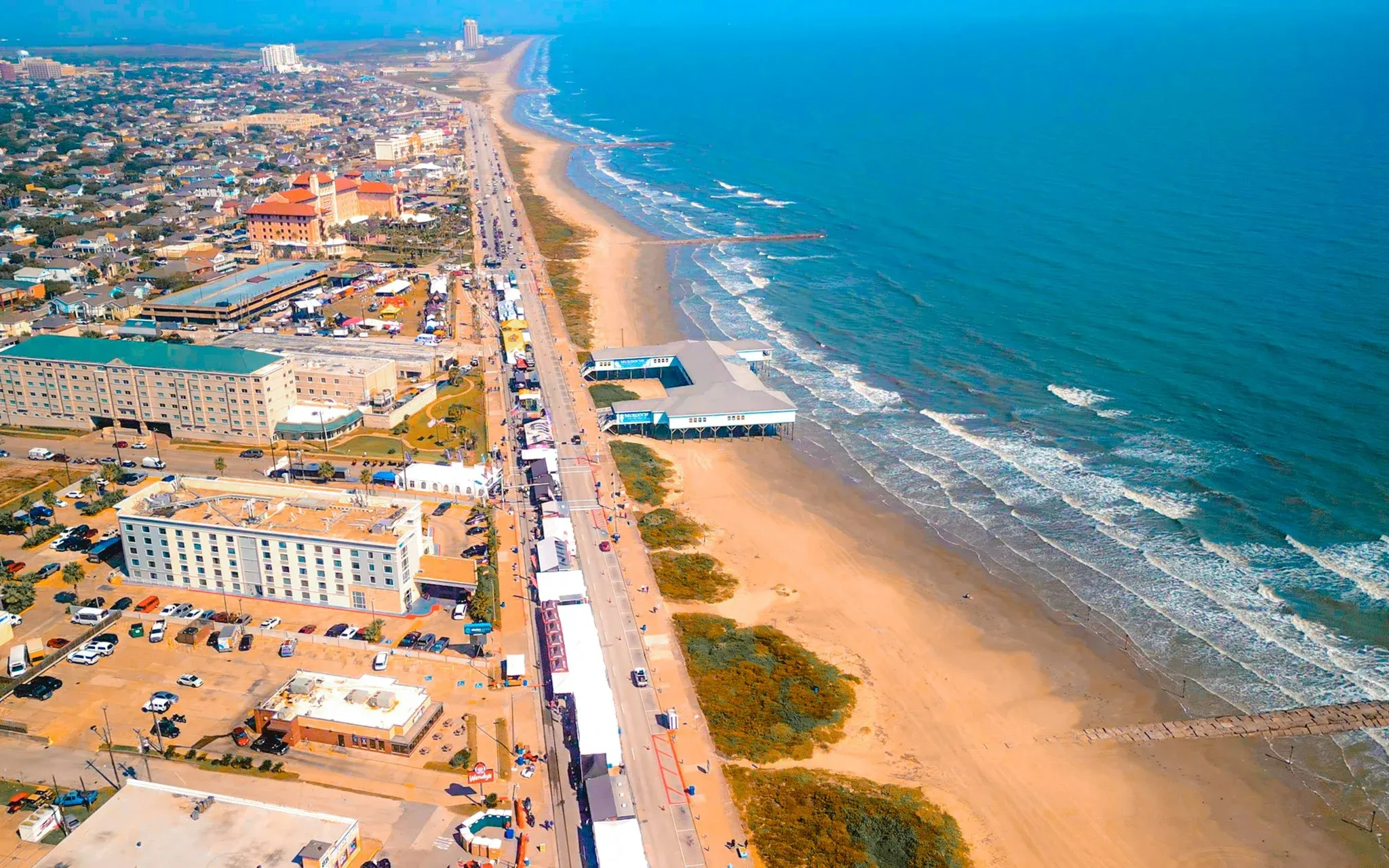
Houston’s event calendar is one of the busiest in the region, from large civic celebrations and food festivals to neighborhood parades, arts weekends, and game-day traditions. These gatherings reveal a city that is social, participatory, and proud of its many identities.
Even outside major events, local rituals are easy to spot: weekend brunch lines, community markets, fan energy around sports venues, and evening walks in lit-up plazas. Hopping off for an hour in the right place can show you how Houston lives, not just how it looks in guidebooks.
Tickets, passes & smart planning
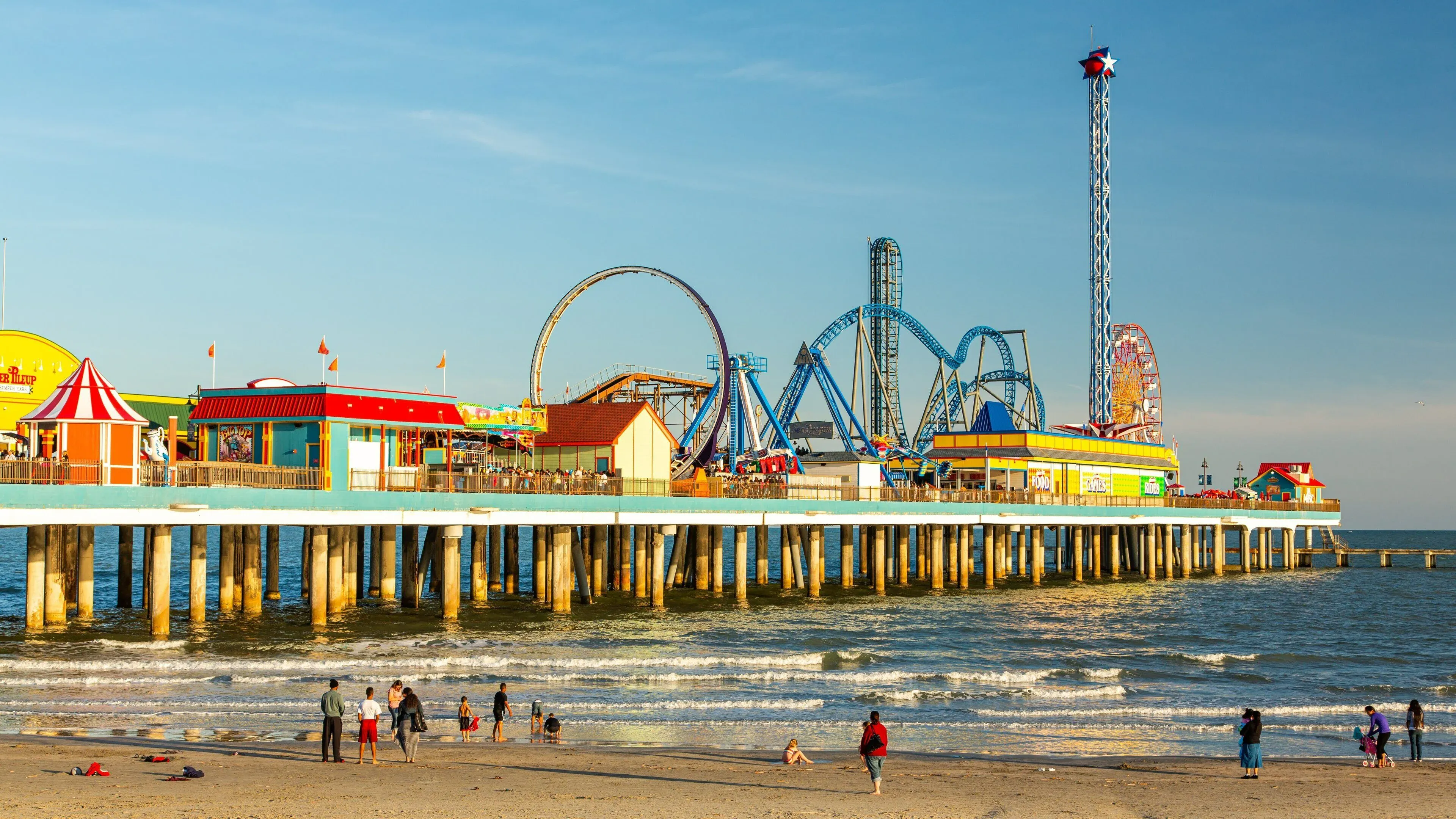
A little planning improves the experience significantly. Check loop duration, stop spacing, and return frequency before boarding, then prioritize two or three longer hop-off moments instead of trying to do everything in one rush. Houston’s scale rewards focused pacing.
If your ticket includes add-ons, map those time windows first and build your bus segments around them. Morning for orientation, midday for a key stop, and late afternoon for scenic riding often creates a smooth, low-stress day.
Preserving heritage in a growing city
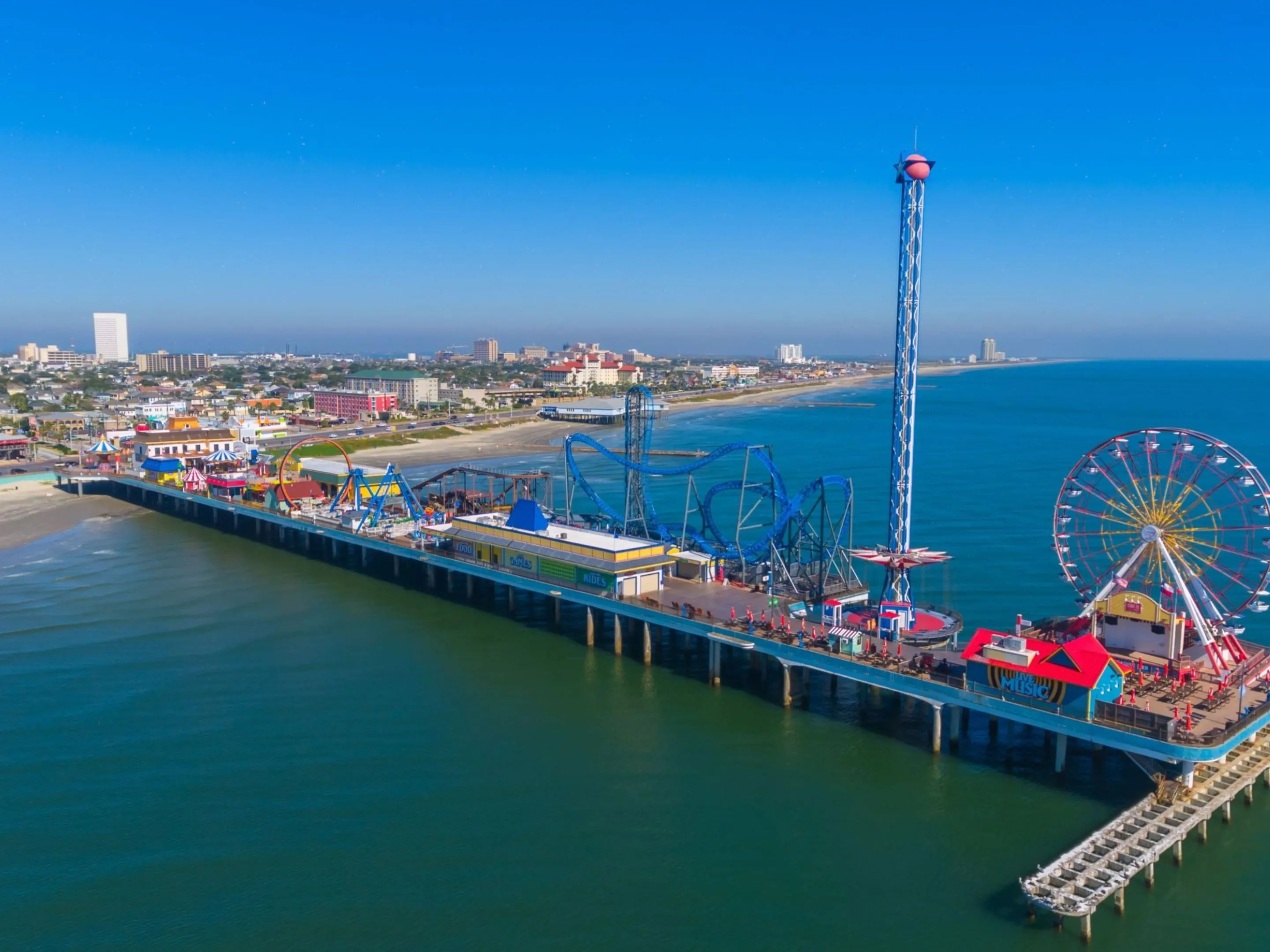
As Houston continues to build, questions about preservation remain central. Historic structures, older neighborhoods, and cultural landmarks carry memory and identity that cannot be replaced once lost. Public conversations around zoning, restoration, and redevelopment continue to shape how the city grows.
For visitors, this balance is visible in real time: reused historic buildings near new projects, legacy institutions beside modern public spaces, and local efforts to honor community roots while welcoming future investment.
Day-trip links and extended Houston experiences
Some travelers use hop-on hop-off services for a single-day overview, while others use them as a launchpad for broader plans. Depending on your schedule, you can pair your city route with longer attraction visits, waterfront areas, science-focused experiences, or evening entertainment zones.
The key advantage is flexibility: the bus helps you understand city geography first, then decide where to spend more time. That approach often leads to better choices and fewer logistics surprises later in your trip.
Why a bus ride explains Houston best
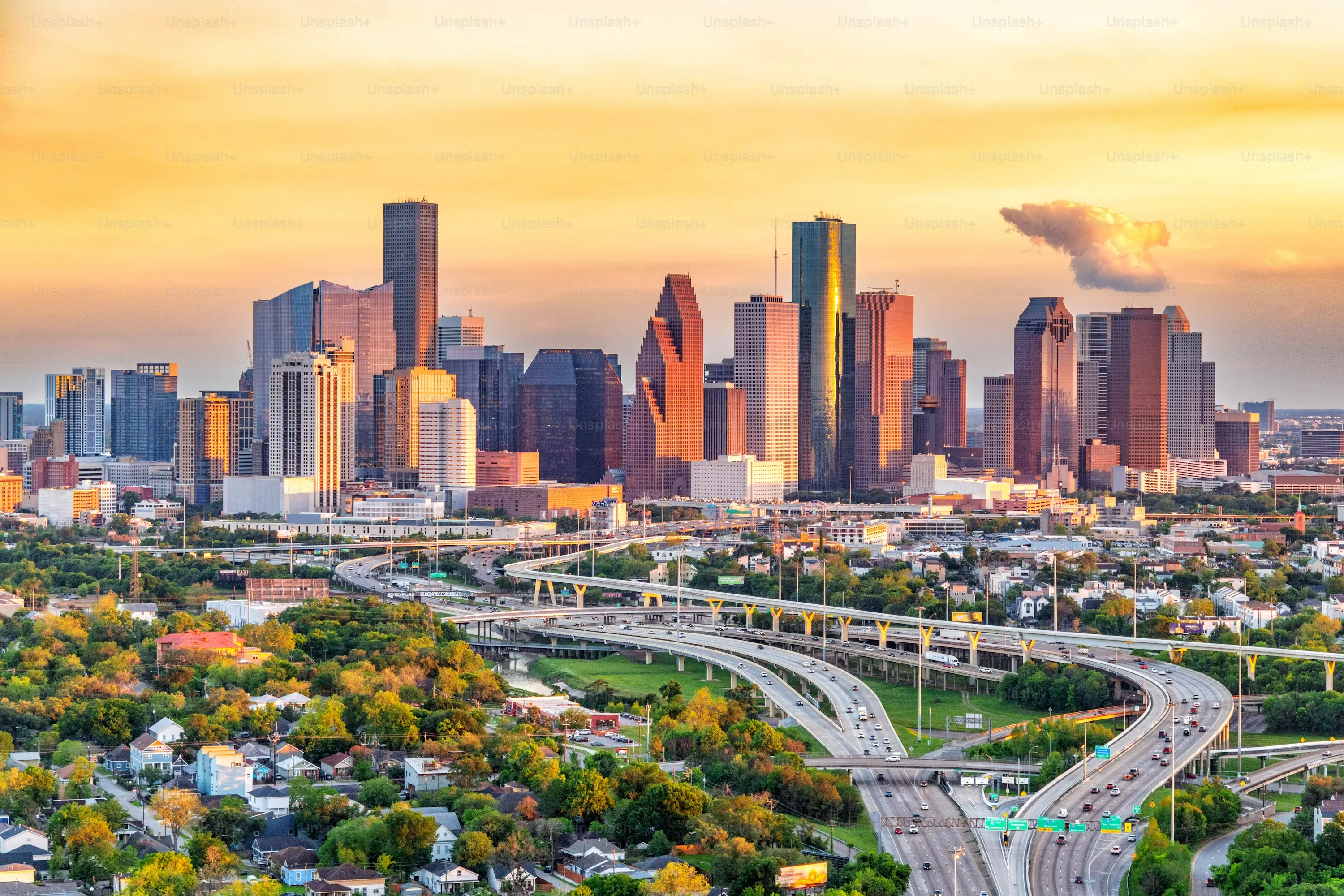
On paper, a hop-on hop-off bus is just practical transportation. In Houston, it becomes something more: a moving perspective on scale, diversity, and reinvention. Within one route, you pass business towers, cultural institutions, green corridors, and neighborhood edges that all tell different parts of the same city story.
By the end of the day, Houston usually feels more legible. Distances make sense, districts connect in your memory, and the city’s character shifts from abstract to personal. That is why this kind of tour works so well here: it turns a large, complex metropolis into an experience you can actually feel and remember.
Table of Contents
From Buffalo Bayou beginnings to modern Houston
Long before Houston became known for skyscrapers, medical breakthroughs, and mission control, this was a muddy, strategic landscape shaped by water, trade routes, and stubborn determination. In 1836, shortly after Texas won independence from Mexico, the Allen brothers promoted a new town near Buffalo Bayou with bold promises of commercial success. The early settlement was rough around the edges, frequently flooded, and still finding its identity, yet its location offered access to inland networks and Gulf trade. That advantage mattered. Through difficult decades of disease outbreaks, transportation challenges, and political shifts, the city learned to adapt rather than retreat. The story of Houston begins not as a polished metropolis, but as an ambitious gamble that kept expanding each time circumstances changed.
As your hop-on hop-off route moves through central districts, you are crossing layers of this long transformation. Streets that now carry office workers, students, and visitors were once corridors of wagons, rail links, and industrial supply chains. Houston’s rise is not the tale of one dramatic moment; it is a sequence of reinventions: from bayou outpost to railroad junction, from shipping gateway to energy capital, and from regional city to international crossroads. Even today, that adaptive spirit defines local culture. People arrive from around the world, industries evolve, neighborhoods reshape themselves, and the city keeps absorbing change. Seen from the top deck of a sightseeing bus, Houston’s history feels less like a museum chapter and more like an ongoing conversation between past ambition and future possibility.
Downtown foundations and civic growth
Downtown Houston tells a visual story of civic ambition. Early commercial blocks gave way to taller business buildings as finance, law, and energy interests expanded, and over time the district matured into a dense network of offices, theaters, event spaces, and public squares. You can see this layered identity in the mix of preserved facades, modern towers, and streets designed for both weekday workers and weekend visitors.
From your bus seat, each block reveals a different phase of urban design: older masonry structures, postwar modern lines, and newer mixed-use projects created to keep downtown active beyond office hours. Hop off for a short walk and you will notice how public art, shaded plazas, and food halls now complement historic civic institutions, giving downtown Houston both business intensity and everyday livability.
Rail, shipping, and the making of a trade city
Houston’s growth was accelerated by transport infrastructure. Rail links expanded market access, while shipping investments strengthened the city’s position in domestic and international trade. Over decades, logistics became part of Houston’s DNA: moving goods efficiently, attracting labor, and connecting regional production to global demand.
Even if your sightseeing route does not pass every industrial corridor directly, the city economy you observe today was shaped by these systems. Hotels, convention activity, warehousing, and service businesses all grew in relation to transport networks that made Houston more than a local center. It became a city built to connect.
Oil, energy, and the skyline era
The 20th century energy boom changed Houston at extraordinary speed. Capital inflows, engineering demand, and corporate expansion fueled new headquarters, larger infrastructure projects, and a skyline that became a symbol of economic power. Energy companies helped define not only employment patterns but also the city’s international profile.
Yet Houston’s energy story is broader than oil alone. Over time, the city developed capabilities in petrochemicals, pipeline operations, logistics, and, more recently, transitions linked to efficiency and alternative technologies. Riding through the business core today, you can still sense that era’s imprint in the scale, confidence, and global orientation of the urban landscape.
Medicine, research, and global talent
Houston’s medical and research ecosystem is one of its defining achievements. Institutions in and around the Texas Medical Center area drew specialists, researchers, and students from across the world, turning healthcare and life sciences into a cornerstone of the city’s identity. This concentration of expertise has shaped neighborhoods, housing, transit demand, and daily rhythms.
For visitors, this may appear simply as a district of large campuses and steady movement, but behind that scene is a deep story of innovation, collaboration, and global exchange. The same city known for business towers also became a place where cutting-edge care, scientific training, and cross-border talent meet on a daily basis.
Museum District and cultural identity
Houston’s Museum District reflects the city’s cultural confidence. What began as a concentration of key institutions expanded into a broader landscape of art, science, natural history, and public programming that serves both residents and international guests. The district demonstrates that Houston’s identity is not only commercial; it is also deeply curious and educational.
As you hop off in this area, you may notice how accessible culture feels here: families with strollers, students sketching outdoors, and travelers moving between exhibitions and park paths in the same afternoon. It is a part of Houston where learning, leisure, and civic pride blend naturally.
Neighborhood diversity and local food stories
One of Houston’s defining strengths is neighborhood diversity. Communities shaped by generations of migration have built distinct local identities through language, faith spaces, family-run businesses, and especially food. Across the city, culinary traditions from Latin America, Asia, the Middle East, Africa, and beyond coexist and evolve side by side.
That is why a Houston sightseeing day often becomes a food journey too. A bus route may introduce the major landmarks, but the flavor of the city appears in bakeries, taquerias, barbecue counters, fusion kitchens, and late-night spots where locals gather. These everyday places are part of Houston’s social history as much as any monument.
Parks, bayous, and urban resilience
Houston’s relationship with water has always demanded resilience. Bayous shape movement, landscape design, and flood management strategies, and major weather events have repeatedly tested infrastructure and communities. In response, the city has continued to invest in drainage upgrades, park systems, and adaptation planning.
When your route passes green corridors and revitalized public spaces, you are seeing this resilience made visible. These are not just scenic extras; they are part of how Houston balances growth with environmental reality, creating recreational value while improving long-term urban function.
Festivals, culture & city rituals
Houston’s event calendar is one of the busiest in the region, from large civic celebrations and food festivals to neighborhood parades, arts weekends, and game-day traditions. These gatherings reveal a city that is social, participatory, and proud of its many identities.
Even outside major events, local rituals are easy to spot: weekend brunch lines, community markets, fan energy around sports venues, and evening walks in lit-up plazas. Hopping off for an hour in the right place can show you how Houston lives, not just how it looks in guidebooks.
Tickets, passes & smart planning
A little planning improves the experience significantly. Check loop duration, stop spacing, and return frequency before boarding, then prioritize two or three longer hop-off moments instead of trying to do everything in one rush. Houston’s scale rewards focused pacing.
If your ticket includes add-ons, map those time windows first and build your bus segments around them. Morning for orientation, midday for a key stop, and late afternoon for scenic riding often creates a smooth, low-stress day.
Preserving heritage in a growing city
As Houston continues to build, questions about preservation remain central. Historic structures, older neighborhoods, and cultural landmarks carry memory and identity that cannot be replaced once lost. Public conversations around zoning, restoration, and redevelopment continue to shape how the city grows.
For visitors, this balance is visible in real time: reused historic buildings near new projects, legacy institutions beside modern public spaces, and local efforts to honor community roots while welcoming future investment.
Day-trip links and extended Houston experiences
Some travelers use hop-on hop-off services for a single-day overview, while others use them as a launchpad for broader plans. Depending on your schedule, you can pair your city route with longer attraction visits, waterfront areas, science-focused experiences, or evening entertainment zones.
The key advantage is flexibility: the bus helps you understand city geography first, then decide where to spend more time. That approach often leads to better choices and fewer logistics surprises later in your trip.
Why a bus ride explains Houston best
On paper, a hop-on hop-off bus is just practical transportation. In Houston, it becomes something more: a moving perspective on scale, diversity, and reinvention. Within one route, you pass business towers, cultural institutions, green corridors, and neighborhood edges that all tell different parts of the same city story.
By the end of the day, Houston usually feels more legible. Distances make sense, districts connect in your memory, and the city’s character shifts from abstract to personal. That is why this kind of tour works so well here: it turns a large, complex metropolis into an experience you can actually feel and remember.